- Home
- Prosthetic Products
- Below-Knee Prosthesis: Restoring Mobility and Confidence After Limb Loss
Below-Knee Prosthesis: Restoring Mobility and Confidence After Limb Loss
What is a Below-Knee Prosthesis?
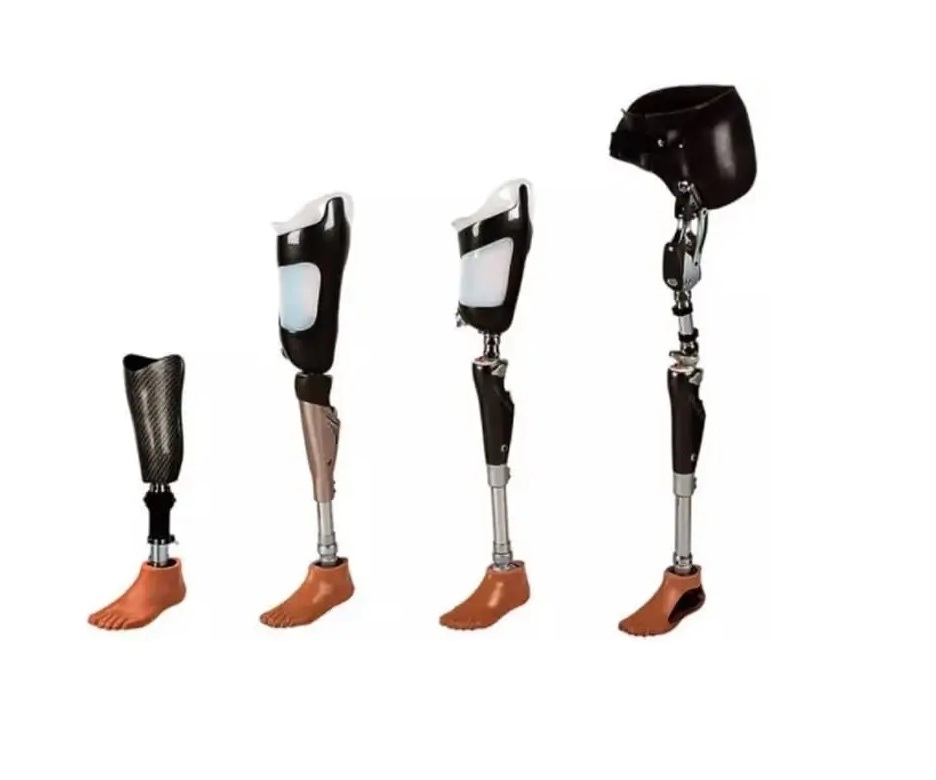
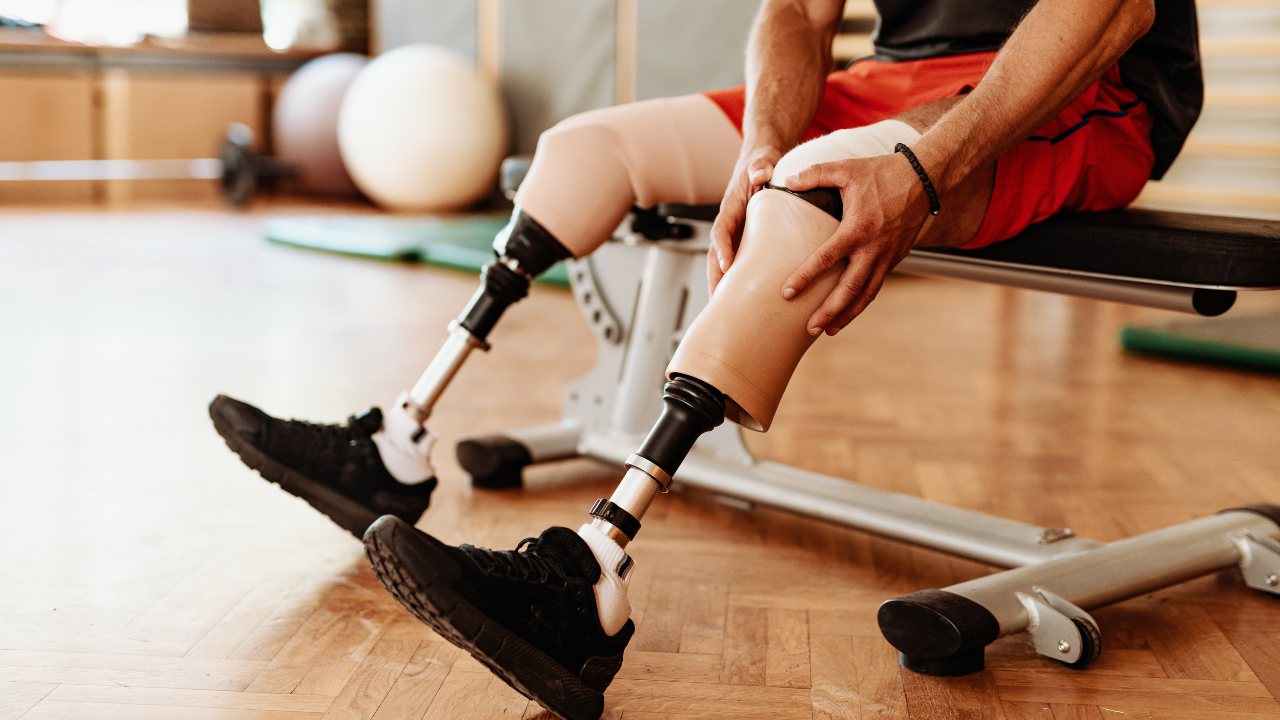
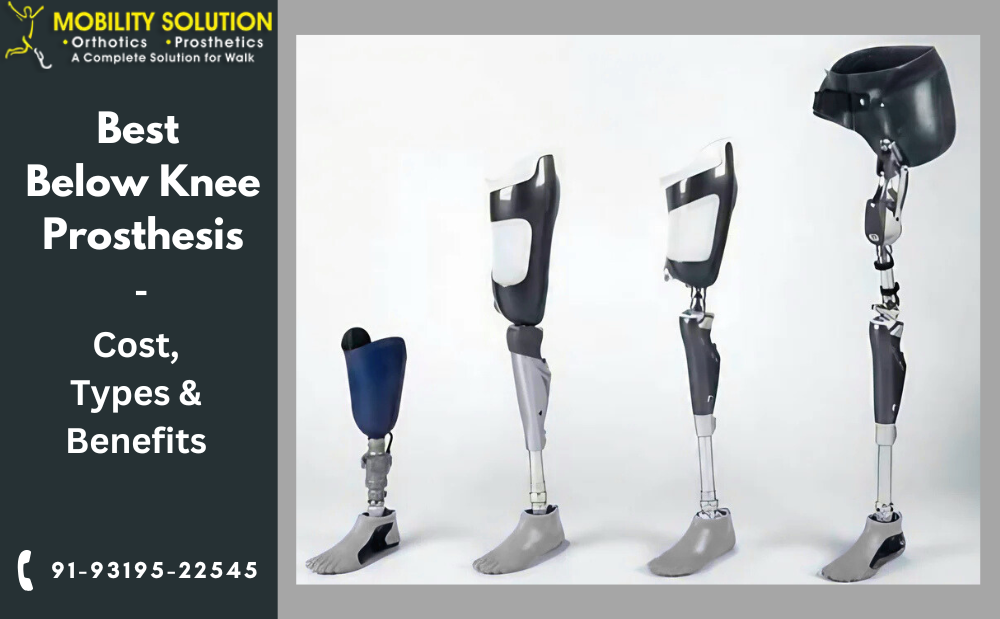
A below-knee prosthesis (also known as a BK prosthesis) is an artificial limb designed for individuals who have undergone an amputation below the knee. It is made to replicate the function of the foot, ankle, and shin, while allowing the knee joint to remain functional. The purpose of the prosthesis is to help the user regain mobility and functionality, allowing them to walk, run, and participate in everyday activities as much as possible.
A below-knee prosthesis is custom-made to fit the individual’s specific needs, lifestyle, and anatomy. Modern prosthetic limbs are lightweight, durable, and designed for comfort, making them ideal for those looking to return to an active life after losing a limb. Whether the amputation was due to injury, illness, or a congenital condition, below-knee prostheses offer users the ability to move, engage in physical activities, and live life to its fullest.
Key Components of a Below-Knee Prosthesis
The construction of a below-knee prosthesis involves several critical components that work together to create a device that provides support, mobility, and comfort. Let’s take a look at the essential parts:
1. Socket
The socket is the part of the prosthesis that directly fits over the residual limb. It is one of the most important components, as it ensures a secure fit, comfort, and stability. A well-fitting socket prevents unnecessary movement, which could lead to discomfort or injury. Custom sockets are created using molds or 3D scans of the residual limb to ensure the best possible fit. The materials used for the socket, such as acrylic, thermoplastic, or carbon fiber, offer durability, flexibility, and comfort.
2. Shank (Pylon)
The shank, also referred to as the pylon, is the structural support that connects the socket to the prosthetic foot. It plays a vital role in maintaining the alignment of the prosthesis and providing stability. The shank is typically made from lightweight yet strong materials such as titanium, aluminum, or carbon fiber. It is designed to be both functional and durable, providing the necessary support during movement and weight-bearing activities.
3. Prosthetic Foot
The prosthetic foot is one of the most essential components of the below-knee prosthesis. It is designed to mimic the natural function of a foot, providing balance, stability, and shock absorption. There are several types of prosthetic feet, each designed to meet specific needs based on the user's activity level and lifestyle.
- Solid Foot: This is a basic type of prosthetic foot that offers stability and is generally used for individuals with lower activity levels. It is cost-effective and simple, but it doesn’t offer much flexibility or energy return.
- Energy-Storing Foot: This type of foot is made from materials like carbon fiber that allow it to store and release energy as the user walks, providing a more natural gait. It is ideal for active individuals who need extra flexibility and shock absorption.
- Multi-Axis Foot: Multi-axis feet are designed to allow for more natural movement, especially when walking on uneven surfaces or stairs. These feet are ideal for individuals who need more flexibility in their movements.
- Specialized Feet: Some prosthetic feet are designed specifically for high-impact activities like running or sports. These are lightweight and flexible, offering enhanced performance for individuals who want to remain physically active.
4. Suspension System
The suspension system is responsible for keeping the socket securely attached to the residual limb. Several suspension methods are available, depending on the user’s needs and the shape of the residual limb:
- Pin Lock Suspension: A pin on the prosthetic socket locks into place, securing the prosthesis. This is a popular and widely used suspension method.
- Vacuum Suspension: A pump creates a vacuum inside the socket, which provides a snug, secure fit by minimizing the space between the residual limb and the socket. This system is effective at reducing movement and improving comfort.
- Sleeve Suspension: A sleeve is made of silicone or other elastic materials that secure the prosthesis in place. This is typically used in combination with other suspension methods.
5. Knee Joint
Although the knee joint is not part of a typical below-knee prosthesis (since the knee is not amputated), some individuals who have undergone a more complex amputation, such as a through-knee amputation, may need an artificial knee joint. The knee joint is an advanced component designed to mimic the natural movement of a knee, allowing for proper walking motion. These joints can be mechanical or computerized, and some even feature locking mechanisms to provide stability while standing.
Types of Below-Knee Prostheses
The type of below-knee prosthesis chosen depends on several factors, including the user’s activity level, lifestyle, and specific needs. Let’s explore some of the most common types of below-knee prostheses:
1. Basic Below-Knee Prosthesis
A basic below-knee prosthesis is designed for individuals with lower activity levels who primarily need assistance for walking and performing daily activities. These prostheses are typically made from lightweight materials and include a simple foot design that provides stability and support. A basic prosthesis is often more affordable, but it may not offer the same level of flexibility or energy return as more advanced designs.
2. Energy-Storing Below-Knee Prosthesis
Energy-storing prostheses are ideal for individuals with higher activity levels. These devices are designed to store and release energy with each step, providing a more natural walking experience. They are often made from materials like carbon fiber, which are lightweight and flexible. Energy-storing feet can be used by individuals who want to remain active and may even be suitable for sports and running.
3. Sports Prosthesis
For individuals who enjoy high-impact activities like running, hiking, or playing sports, a specialized sports prosthesis is required. These prostheses are designed to provide maximum flexibility, stability, and durability to withstand the demands of intense physical activity. They typically feature a highly flexible foot and may include additional features like shock absorption to reduce the risk of injury.
4. Waterproof Prosthesis
For individuals who enjoy water activities or live in areas with high humidity, waterproof below-knee prostheses are available. These prostheses are made from waterproof materials, such as silicone or other resistant substances, allowing the user to engage in swimming and other water-based activities. Waterproof prostheses are designed to withstand exposure to water, ensuring functionality even in wet conditions.
Benefits of a Below-Knee Prosthesis
A below-knee prosthesis offers numerous benefits, improving the user's mobility, comfort, and overall quality of life. Below are some of the main advantages:
1. Restores Mobility
The primary benefit of a below-knee prosthesis is the restoration of mobility. It allows individuals to walk, stand, and move without the need for crutches or a wheelchair. For those who want to regain their independence, a prosthesis provides the necessary tools to accomplish daily tasks, go to work, and participate in social activities.
2. Enhanced Comfort
Modern below-knee prostheses are designed with comfort in mind. Custom sockets and advanced suspension systems ensure that the prosthesis fits snugly without causing discomfort. Additionally, the materials used in the prosthesis, such as carbon fiber, are lightweight and durable, reducing the overall weight of the device and enhancing comfort during use.
3. Improved Stability and Balance
The prosthesis helps improve balance and stability by mimicking the natural movement of the foot and ankle. This is crucial for preventing falls and ensuring that users can walk on uneven surfaces, climb stairs, or navigate various terrains safely. A well-designed prosthesis offers a stable platform for individuals to walk and stand confidently.
4. Restoration of Active Lifestyle
With the right prosthesis, individuals can return to an active lifestyle. Advanced energy-storing prostheses and sports prostheses allow users to run, hike, and engage in other physical activities with greater ease. For athletes, specialized prostheses can help them compete at high levels, ensuring they don’t have to give up their passion for sports.
5. Improved Self-Esteem and Confidence
Regaining mobility and independence can have a significant impact on a person’s mental and emotional well-being. Being able to move freely and participate in activities like walking, exercising, and spending time with family and friends helps boost confidence and self-esteem. This leads to a more positive outlook on life and increased overall happiness.
Considerations When Choosing a Below-Knee Prosthesis
When selecting a below-knee prosthesis, several factors need to be considered to ensure the best fit and functionality. Here are some important points to keep in mind:
1. Activity Level and Lifestyle
The prosthesis should be tailored to the individual’s lifestyle. If the user leads an active lifestyle or participates in sports, a prosthesis designed for high performance, such as an energy-storing or sports prosthesis, may be necessary. Conversely, for individuals with a more sedentary lifestyle, a basic prosthesis may suffice.
2. Fit and Comfort
The socket is one of the most critical components in ensuring the comfort of the prosthesis. An ill-fitting socket can cause pain, irritation, and even skin damage. Work closely with a skilled prosthetist to ensure that the socket is molded correctly for your residual limb.
3. Material Durability and Weight
The materials used in the prosthesis, such as carbon fiber, aluminum, or titanium, determine its durability, flexibility, and weight. Lighter prostheses are more comfortable for long-term wear, but durability is also important to ensure the prosthesis lasts over time.
4. Cost
The cost of a below-knee prosthesis can vary depending on the materials used, the type of prosthesis, and the complexity of the design. It’s important to discuss your budget with your prosthetist and explore options that meet your needs and financial situation.
Conclusion :
A below-knee prosthesis is a valuable tool for restoring mobility and independence to individuals who have experienced limb loss below the knee. With its custom design, advanced technology, and various options for different activity levels, a below-knee prosthesis can significantly improve the quality of life for users. Whether you’re seeking a prosthesis for daily walking or an advanced design for sports and running, there is a solution to suit your needs.
Limb loss can be a life-changing event, but thanks to advancements in prosthetic technology, people who have lost a limb can regain much of their independence and mobility. One of the most widely used prosthetic devices is the below-knee prosthesis, designed specifically for individuals who have experienced an amputation below the knee joint.
In this blog post, we will delve into the world of below-knee prostheses, exploring their components, types, benefits, and how they are helping individuals reclaim their independence and improve their quality of life.
Frequently Asked Questions
Trending Posts
-
![What are the Solutions for Below and Above Elbow Amputations?]() What are the Solutions for Below and Above Elbow Amputations?
12 Aug, 2024
What are the Solutions for Below and Above Elbow Amputations?
12 Aug, 2024
-
![Find the Best Artificial Limb Centre Near You: Top Recommendations]() Find the Best Artificial Limb Centre Near You: Top Recommendations
20 Aug, 2024
Find the Best Artificial Limb Centre Near You: Top Recommendations
20 Aug, 2024
-
![Top Artificial Limbs Centre Gurgaon & Delhi | Affordable Care]() Top Artificial Limbs Centre Gurgaon & Delhi | Affordable Care
08 Oct, 2024
Top Artificial Limbs Centre Gurgaon & Delhi | Affordable Care
08 Oct, 2024
-
![Artificial Limbs Center: Expert Prosthetics for Active Living]() Artificial Limbs Center: Expert Prosthetics for Active Living
11 Oct, 2024
Artificial Limbs Center: Expert Prosthetics for Active Living
11 Oct, 2024
-
![How Much Does an Artificial Leg Above Knee Cost in India?]() How Much Does an Artificial Leg Above Knee Cost in India?
06 Mar, 2025
How Much Does an Artificial Leg Above Knee Cost in India?
06 Mar, 2025
-
![Advanced Artificial Limb Above Knee Technology]() Advanced Artificial Limb Above Knee Technology
06 Mar, 2025
Advanced Artificial Limb Above Knee Technology
06 Mar, 2025
-
![Artificial Leg Cost in India: Price, Types & Full Guide]() Artificial Leg Cost in India: Price, Types & Full Guide
12 Mar, 2025
Artificial Leg Cost in India: Price, Types & Full Guide
12 Mar, 2025
-
![How the Dennis Brown Splint Helps Correct Pediatric Foot Deformities]() How the Dennis Brown Splint Helps Correct Pediatric Foot Deformities
20 Mar, 2025
How the Dennis Brown Splint Helps Correct Pediatric Foot Deformities
20 Mar, 2025
-
![Regaining Confidence with Artificial Fingers]() Regaining Confidence with Artificial Fingers
14 Apr, 2025
Regaining Confidence with Artificial Fingers
14 Apr, 2025
-
!["Get the Best Artificial Leg Above Knee in India: Cost and Benefits"]() "Get the Best Artificial Leg Above Knee in India: Cost and Benefits"
17 Apr, 2025
"Get the Best Artificial Leg Above Knee in India: Cost and Benefits"
17 Apr, 2025