- Home
- Solutions
- Prosthetics
- Upper Limb Prosthetics
- Shoulder Disarticulation
Shoulder Disarticulation
Shoulder Disarticulation
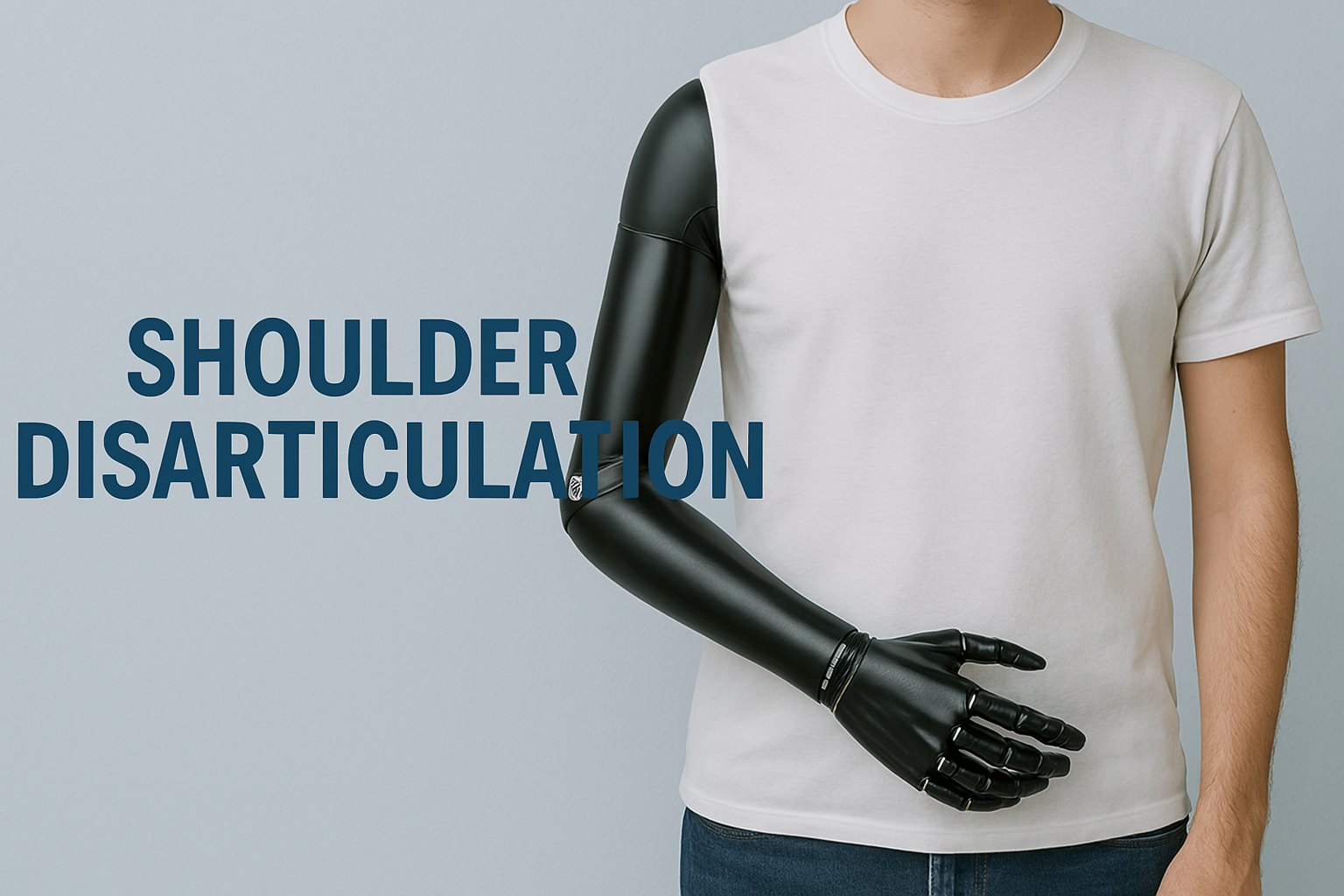
Table of Content
2. What is shoulder disarticulation?
3. What is a shoulder disarticulation prosthesis?
4. Designing a shoulder prosthetic disarticulation prosthesis
5. Benefits of shoulder disarticulation prosthesis
6. Who benefits from the shoulder disarticulation prosthetics?
7. Our comprehensive approach at MOBILTY Solutions
8. Rehabilitation and prosthetic training
9. Why choose MOBILITY Solution?
10. Pediatric shoulder disarticulation prosthetic
11. Cost of a shoulder disarticulation
12. Photos
13. Faqs
Shoulder Disarticulation Prosthesis: Enhanced Prosthetic Solutions
It can be emotionally and physically taxing to lose an upper limb at the shoulder level. Balance, posture, mobility, and day-to-day activities are all greatly impacted by a shoulder disarticulation amputation, in which the entire arm is severed from the shoulder joint. At MOBILITY Solution, we offer tailor-made shoulder disarticulation prostheses that help people restore their self-esteem, freedom, and quality of life.
MOBILITY Solution was founded in 2015 and holds more than 16 years of professional experience. Our centre focuses on providing the latest orthotic and prosthetic services. We aim to provide customised, comfortable, and functional prosthetic services through the latest technology.
What is shoulder disarticulation?
Shoulder disarticulation refers to an upper-limb amputation where the arm is taken off at the shoulder joint without leaving any part of the humerus bone. This kind of amputation changes the shape of a shoulder, affects the balance of the trunk, and functional reach. Therefore, in this case, fitting a prosthetic device becomes quite complicated as compared to other upper-limb amputations.
Some common reasons for shoulder disarticulation include:
- Severe trauma
- Road traffic accidents
- Bone cancer
- Soft tissue cancer
- Serious infections not responding to treatment
- Congenital limb absence
- Industrial injuries
There is no doubt that the functional challenges are significant. However, modern shoulder disarticulation prosthesis can restore appearance, improve posture, and support daily activities when carefully designed and fitted.
What is a shoulder disarticulation prosthesis?
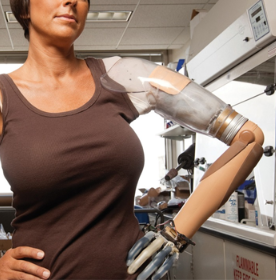
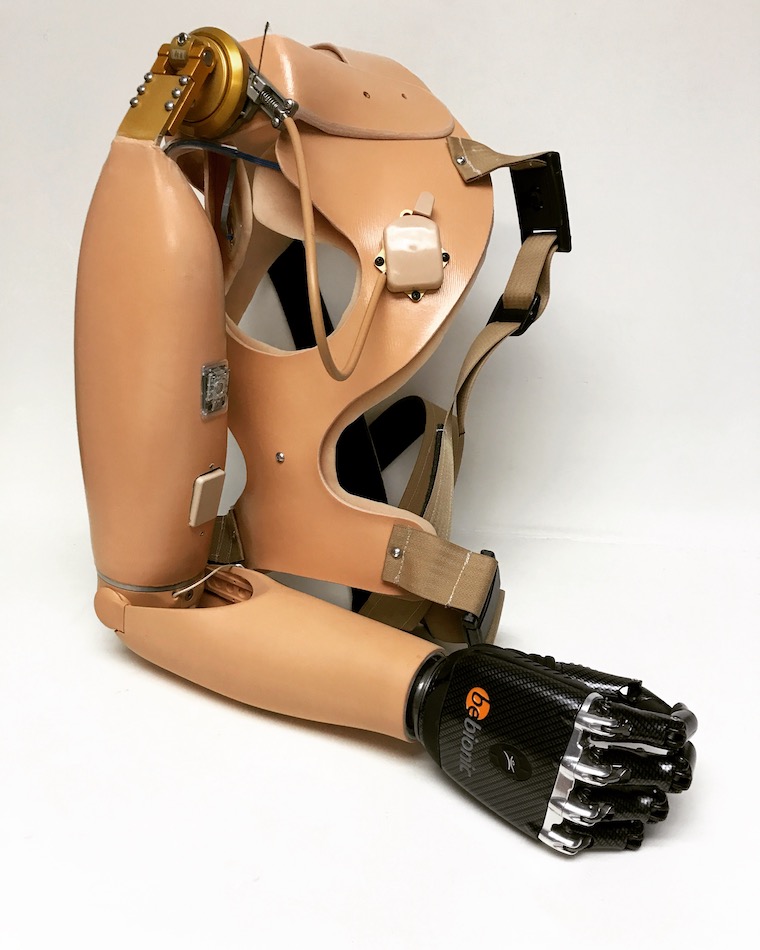
A shoulder disarticulation prosthesis is a custom-made artificial limb for an arm and shoulder replacement. Such prostheses can be purely cosmetic, functional, or a combination of both.
At MOBILITY Solutions, our prostheses are:
Individually designed
Every patient is unique, especially those undergoing shoulder disarticulation. At MOBILITY Solution, prosthetic is individually designed from scratch, unlike mass-produced prosthetics. This customised design provides greater comfort, enhanced balance, and a lower risk of skin irritation and complications.
Lightweight and skin-friendly
In the case of a shoulder disarticulation prosthesis, the device has to be worn for several hours a day, so weight and material become important considerations. We employ state-of-the-art materials that are not only strong but also lightweight. Lightweight manufacturing facilitates quicker patient adaptation, more natural movements, and longer use of their prosthesis without fatigue.
Comfortable wear
Comfort cannot be compromised for a better prosthetic use. If the prosthetic cannot be worn comfortably, then it can be ineffective. Our experts create a prosthesis that fits your body. Patients feel comfortable wearing it.
Tailored to the patient’s body structure and lifestyle
A prosthetic device should meet the patient's needs in real life. At MOBILITY Solution, we take the time to match the prosthetic device's design to the patient's anatomy and lifestyle. Lifestyle matching indicates cosmetic prosthetics for patients who want to feel confident in their appearance.
Our prosthetic solutions prioritise cosmetic restoration, functional assistance, and psychological rehabilitation. It is responsible for a smoother recovery process.
Designing a shoulder prosthetic disarticulation prosthesis
At MOBILITY Solutions, the shoulder disarticulation prosthesis is designed with finer components.
Custom socket
The custom socket is made to fit the patient's body perfectly. Thus, it ensures proper weight distribution. The custom socket is an important factor in the prosthesis's comfort and stability.
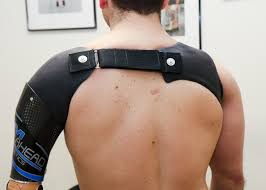
Shoulder cap
The shoulder cap helps restore the shoulder's natural shape. It is responsible for providing the body with symmetry.
Suspension system
The suspension system is used to ensure that the prosthesis is properly held in place without causing any discomfort to the patient.
Elbow mechanism
The elbow mechanism can be cosmetic or functional. It enables movement, depending on the patient's needs and the chosen prosthesis.
Wrist and terminal device
This section consists of either a cosmetic hand for aesthetic reasons or a functional terminal device to help with daily activities.
Harness or control system
The harness or control system provides movement and support for the prosthesis, depending on whether it is cosmetic, body-controlled, or myoelectric.
When it comes to durability, comfort, and long-term use, these materials stand out.
Benefits of shoulder disarticulation prosthesis
Before opting for a shoulder disarticulation prosthesis, you need to understand its benefits. The following are a few benefits you should be aware of.
Restores body symmetry and balance
A prosthesis for shoulder disarticulation helps evenly distribute body weight. It reduces pressure and enhances overall stability while standing or moving.
Improves posture and spinal alignment
When weight is distributed evenly, the prosthesis promotes good posture and reduces the likelihood of long-term spinal and shoulder alignment problems.
Enhances self-esteem
A prosthesis that looks natural and fits nicely can change the patient's appearance. Which in turn makes the patient more ecstatically confident.
Facilitates daily activities
One of the benefits a prosthesis can bring to a disabled person is helping him/her to accomplish routine household tasks and their daily activities.
Contributes to mental and emotional healing
Prosthesis application is one of the ways by which a patient can get over the shock of losing a limb emotionally. This is how the patient's mental health and acceptance will be facilitated.
At MOBILITY Solutions, we help patients regain independence and dignity. Fitting a prosthesis is not the only priority.
Who benefits from the shoulder disarticulation prosthetics?
The benefits of a shoulder disarticulation prosthesis are known to you. Now you need to know who benefits from the prosthesis.
Adults with traumatic amputations
Shoulder disarticulation prostheses enable adults to regain body balance, appearance, and functional support. It happens after losing a limb due to accidents or injuries.
Cancer survivors after surgical treatment
Following tumor-related amputations, prosthetic devices play a vital role in helping the patient physically recover as they also help to improve the patient's posture and confidence.
Individuals with congenital limb differences
Custom prosthetics can allow individuals who never had a limb due to congenital reasons. It allows one to achieve body symmetry and carry out daily activities with the aid of the prosthetic from an early age.
Pediatric patients requiring growth and adjustable solutions
Pediatric prosthetic devices have to be designed in such a way that they will allow for the children's growth and also their levels of activity. Thus, when the kids grow, the prostheses will be comfortable, safe, and fit their new size appropriately.
Our comprehensive approach at MOBILTY Solutions
Our experts at MOBILITY Solutions follow a patient-focused process.
Step 1: Initial assessment
More than anything else, a thorough initial assessment is the most important step. It helps us get a clear picture of the patient's health, and medical history. Additionally, we also get a clear picture of the patient's objectives and goals. The aim of this stage is to make the prosthesis fit to the patient's life, not just the body.
Step 2: Custom design and planning
After the evaluation is finished, we proceed to custom design and planning, where the prosthetic starts to come together. It involves proper measurements of the torso, shoulder, and opposite limb. No compromises are made with this. It ensures that the prosthesis meets both clinical and patient preferences.
Step 3: Trial fitting and adjustments
The final delivery is not done directly. A trial fitting is performed before the final delivery to analyse comfort, functionality, and alignment. Additionally, it is also meant to analyse weight distribution. Various trials are conducted to ensure that the prosthesis is safe, secure, and comfortable.
Step 4: Final delivery
Once all the corrections have been made, the prosthesis is finished and handed over. The experts guide about the instructions on wearing and removing the prosthesis. This stage enables the patients to use their prosthesis in daily life with confidence and safety.
Step 5: Follow up and long-term support
Prosthetic care does not stop after prosthesis delivery. This is important for long-term success. We encourage follow-up visits to assess comfort and function. Besides that, we also encourage evaluation for wear, alignment changes, or skin problems. Our long-term care service will ensure that the prosthesis remains functional for the patient.
Rehabilitation and prosthetic training
Rehabilitation is a pivotal aspect of better prosthetic use. MOBILITY Solution partners with physiotherapists and rehabilitation experts to offer:
Postural and balance training
The loss of an upper limb at the shoulder joint level affects the body's balance and posture. If the patient is not properly trained, they resort to compensatory movements. It can lead to strain on the neck, back, and opposite shoulder joints. Training for posture and balance relies on corrections in shoulder and trunk posture. Besides that, it also trains the patient to slouch the shoulder properly. With this guidance, the patients can wear the prosthesis and maintain better posture.
Muscle-strengthening exercises
Following shoulder disarticulation, some muscles become weakened from underuse, while others may be overworked as compensatory mechanisms. Muscle strengthening is necessary for stability and control. Strengthening trunk and back muscles is necessary. A few exercises help patients wear the prosthesis comfortably for a longer period.
Functional movement practice
If you are able to move effectively with a prosthesis, it indicates that everything is going smoothly. With this functional training you will know how to move with the prosthesis. The functional movement enables you to coordinate body movements while wearing the prosthesis. This practice helps you to become natural and cope up with the prosthesis in various environments.
Everyday activity adaptation
People need practical guidance which helps them adapt to their daily life activities after undergoing shoulder disarticulation. The rehabilitation process enables patients to conduct their daily activities through safe and independent methods. Daily activity adaptation includes people using dressing techniques together with grooming methods and personal care strategies. Therefore, it is better to learn adaptive techniques.
Why choose MOBILITY Solution?
We take pride in becoming a reputable center for shoulder disarticulation prosthesis. These three reasons are why you would choose us:
Enhanced technology
At MOBILITY Solution, we implement cutting-edge prosthetic technology and contemporary manufacturing processes to produce precise, reliable, and user-friendly shoulder disarticulation prosthesis. Technology is pivotal to the accuracy, long-term use, and patient approval aspects of the prosthesis. We employ modern fabrication methods to get higher precision in alignment, enhanced appearance, and quality uniformity. Thus, we can offer our customers prostheses that serve the purpose, look natural, and be comfortable for everyday use.
Tailor-made solutions
Every patient has distinct requirements, including physical, functional, and emotional needs. MOBILITY Solution provides tailored prosthetic solutions which cater to the specific needs of adult and pediatric clients. We achieve optimal prosthesis acceptance through our customised designs, which take age and anatomical features into account.
Dedicated post-fitting care
Prosthetic care requires continuing support after delivery to provide complete service. At MOBILITY Solution, we provide ongoing post-fitting care and long-term support to ensure the prosthesis continues to perform optimally. The dedicated support lets patients experience comfort and confidence while receiving complete assistance throughout their prosthetic journey.
Pediatric shoulder disarticulation prosthetic
Specialised care is required for the children who have shoulder-limb differences. We provide the finest pediatric solutions. Our solutions are:
- Lightweight
- Comfortable
- Designed for accommodating growth
- Easy to wear and maintain
- Supports physical and emotional development
As the child grows, regular follow-ups ensure timely adjustments.
Cost of a shoulder disarticulation
The shoulder disarticulation cost varies based on these factors:
- Prosthesis type
- Customisation level
- Technology and materials used
- Rehabilitation
At MOBILITY Solutions, we follow a transparent pricing policy. We never charge any hidden costs.
Frequently Asked Questions
Other Products
Artificial Eye
View Details
Artificial Nose
View Details
Artificial Ear
View Details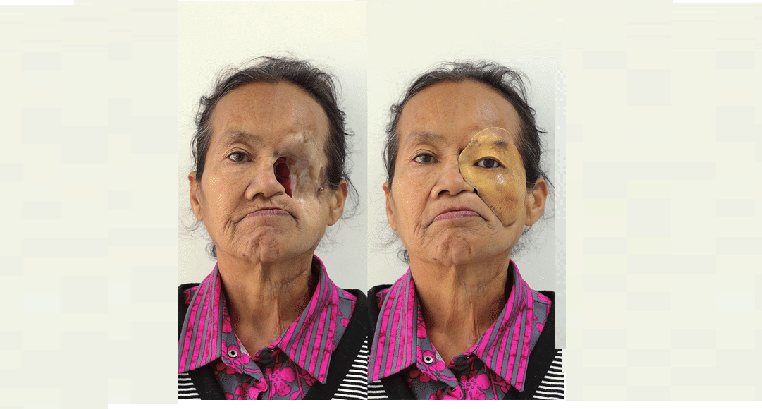
Partial Face Prosthesis
View Details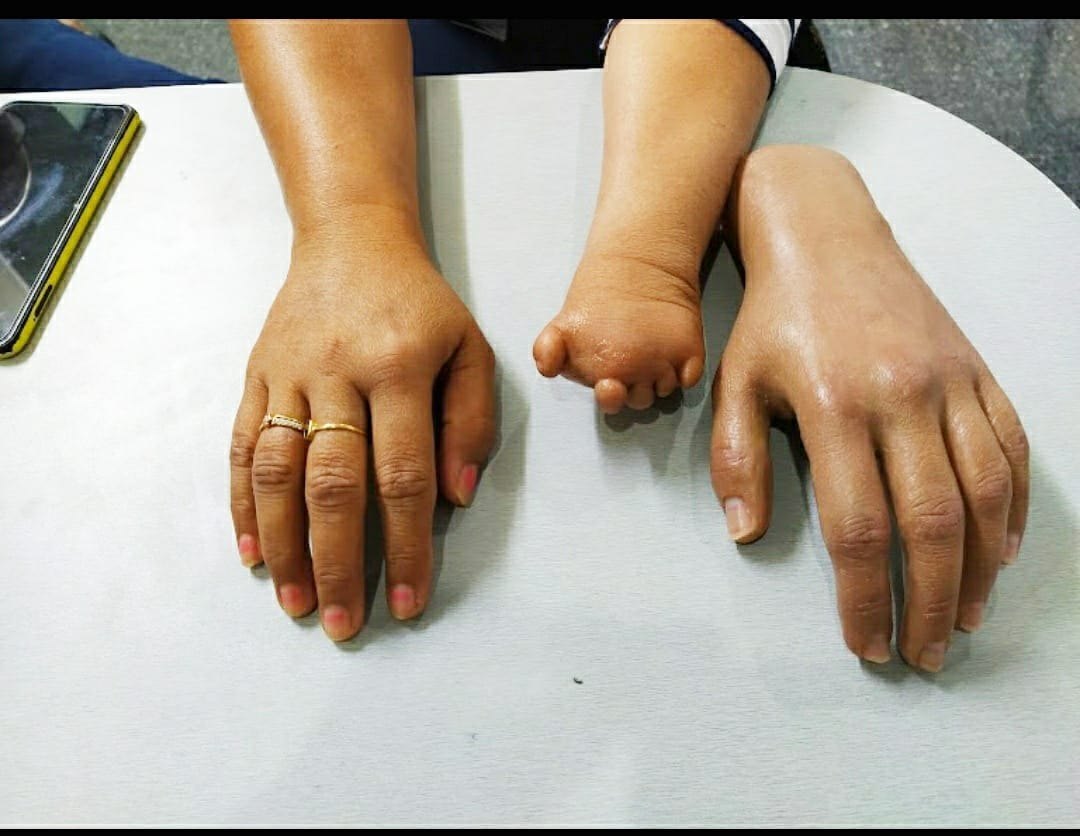
Partial Hand Prosthesis
View Details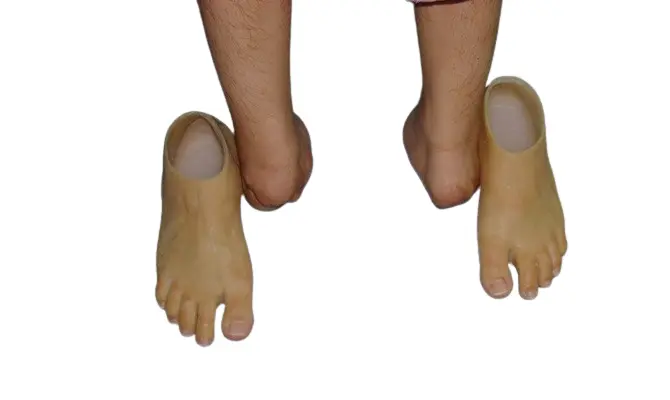
Partial Foot Prosthesis
View Details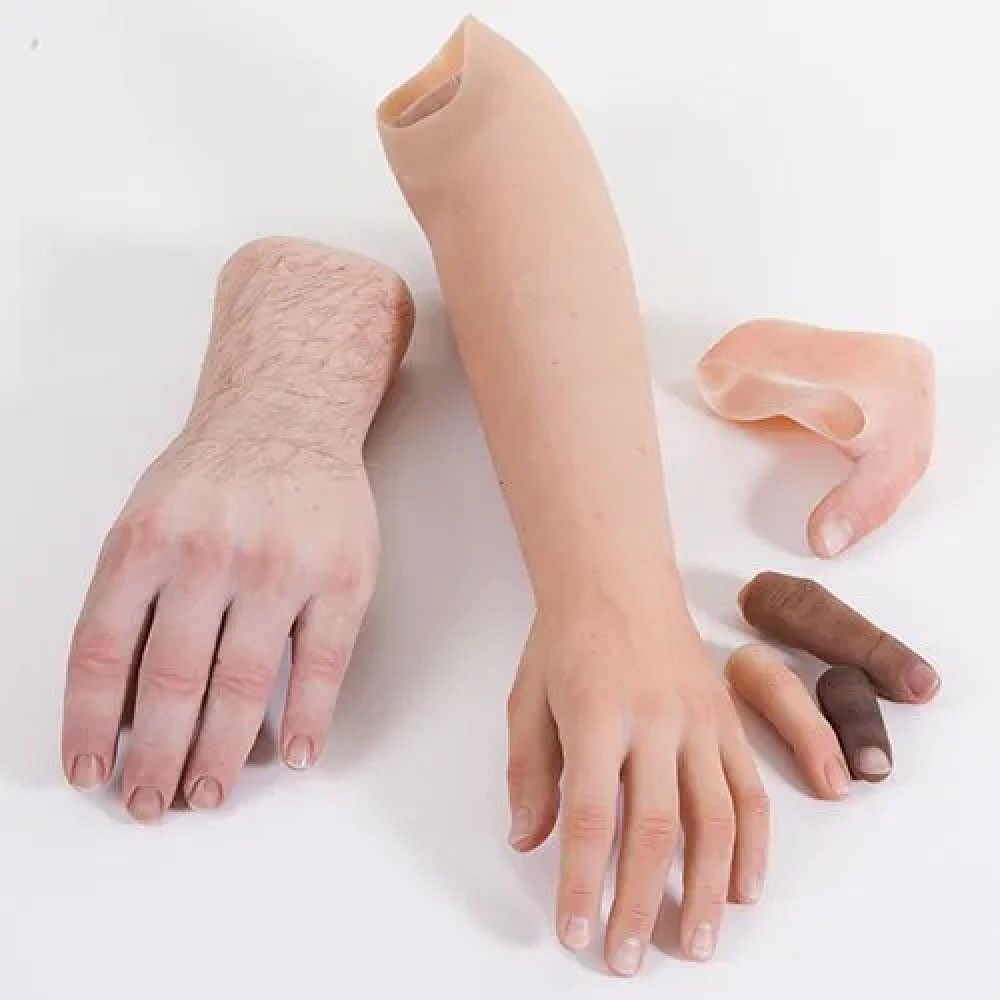
Artificial Finger
View Details
Breast Prothesis
View Details
Hair Wigs
View Details
Above Elbow
View Details
Through Elbow
View Details
Below Elbow
View Details
Hip Disarticulation
View Details
Above Knee
View Details
Through Knee
View Details