- Home
- Prosthetic Product Functions
- Bionic Arm – Price in India, and How It Works Complete Guide
Bionic Arm – Price in India, and How It Works Complete Guide
Table of Content
2. What Is a Bionic Arm?
3. Are Bionic Arms Real & How Do They Work?
4. Bionic Arm Design – What Is a Bionic Arm Made Of?
5. How Strong Is a Bionic Arm?
6. Most Advanced Bionic Arm Technology
7. Bionic Robot Arm vs Prosthetic Bionic Arm
8. Bionic Arm Cost - Global Pricing
9. Bionic Arm Cost in India + Availability
10. How to Buy a Bionic Arm
11. Conclusion
12. Faqs
Introduction
Losing an arm can change the way a person lives and feels. Simple things like holding a cup, using a phone, or shaking someone’s hand can become difficult. But with modern technology, people now have a powerful solution — the bionic arm. A bionic arm is a smart prosthetic device that helps amputees move their arm again using muscle signals. It looks modern, works smoothly, and gives users the ability to do everyday tasks with confidence.
Today, bionic arms are becoming more advanced, more comfortable, and more available around the world, including in India. They offer hope to people who want to get back their independence after limb loss. In this complete guide, we will explain how bionic arms work, how strong they are, the latest technology, and bionic arm cost in India and globally. We will also guide you on how to buy a bionic arm and what to expect during the fitting process.
What Is a Bionic Arm?
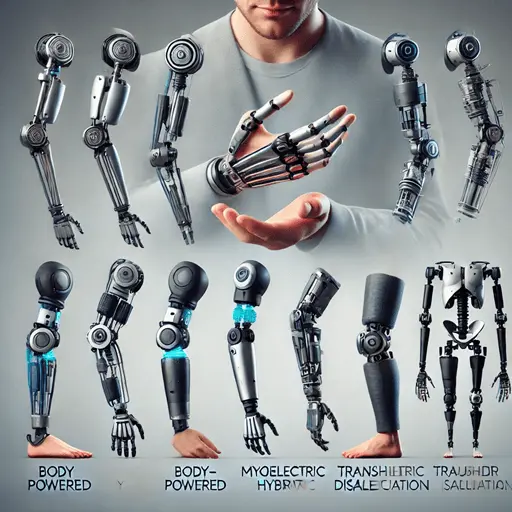
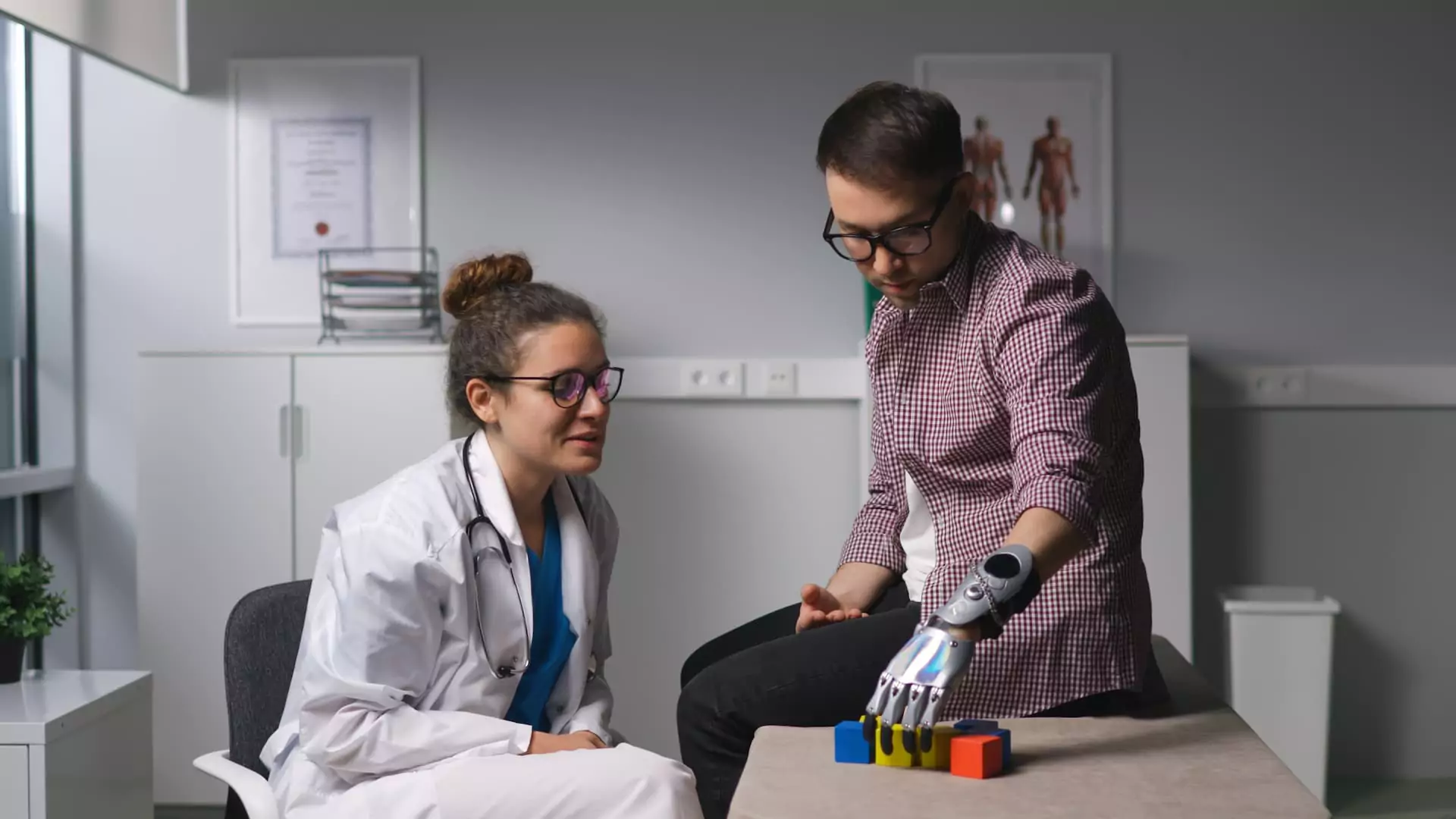
- A bionic arm is an advanced robotic prosthetic arm designed for people who have lost their arm due to accidents, medical issues, or birth conditions. Unlike simple artificial limbs, a bionic arm uses smart technology to give movement, strength, and control similar to a natural human arm. A bionic robot arm or prosthetic bionic arm is made with lightweight electronic systems, motors, and sensors that respond to a person’s muscle movement. It allows users to grip objects, lift small items, write, hold a phone, and perform most daily activities comfortably.
- People often wonder, “Are bionic arms real?” The answer is yes — they are successfully used across the world. Today, they look more natural and work much better than traditional prosthetic arms. The goal of a bionic arm is to give independence, confidence, and improved quality of life to individuals living with limb loss.
- Many people search online for bionic arm for sale or buy bionic arm because they want to return to normal life. A bionic arm doesn’t just replace the missing limb — it helps restore a person’s identity and happiness. It is one of the most life-changing technologies in the field of rehabilitation and prosthetics.
Are Bionic Arms Real & How Do They Work?
Yes — bionic arms are real and widely available in many countries, including India. People often ask, “How do bionic arms work?” They work by detecting signals from the user’s muscles. When a person imagines moving their hand, the remaining arm muscles become active. The bionic arm reads these signals through special sensors called EMG (electromyography) sensors.
Here’s the simple working process:
- Brain sends signal to the arm muscles
- Muscles produce electrical activity
- Sensors inside the bionic arm read this activity
- Motors inside the arm move joints like fingers, wrist, elbow
- The user controls the arm by using their thoughts
This makes a functional bionic arm feel natural and easy to use. Some advanced models even provide grip patterns for holding different objects like a cup, key, or pen. Developers are working on sensory feedback, which will help users feel pressure or touch, making the control even more natural.
These arms work on rechargeable batteries and are designed to be lightweight for long-day usage. The technology continues improving, aiming to increase independence and comfort. Many amputees around the world now live confident lives thanks to bionic arms.
Bionic Arm Design – What Is a Bionic Arm Made Of?
A bionic arm design combines medical science and robotics. People often ask “What is a bionic arm made of?” It includes:
Carbon fiber – for strength and lightweight performance
Titanium or aluminum – durable internal frame
Electronic components – motors, sensors, wiring
Silicone covering – improves comfort and appearance
These materials make a bionic arm comfortable to wear and strong enough for daily life. Engineers focus on giving a natural look by matching skin tone and shape. Today’s most advanced bionic arms even include rotating wrists, moving fingers, and flexible motor systems that mimic human muscle movement.
The design of a bionic prosthetic arm depends upon the level of amputation. For below-elbow amputees, the arm has wrist and finger control. For above-elbow amputees, there is also elbow joint movement. The aim is to help users move naturally in all important directions.
The bionic arm working mechanism adjusts to the user through training. Prosthetists help the user learn grip styles, speed, and strength control. As a result, the arm becomes part of everyday life and works with the user’s intentions — like a real biological arm.
How Strong Is a Bionic Arm?
The strength of a bionic arm depends on the model and technology. Many users ask, “How strong is a bionic arm?” Modern bionic arms have a grip strength of 10–20 kg, which is enough for most daily tasks such as:
- Carrying water bottles
- Opening doors
- Holding tools
- Cooking and eating
- Driving a vehicle
- Using gym machines (light exercise)
A bionic robot arm can sometimes be stronger, but a prosthetic arm focuses more on natural and safe movement for the human body. The main goal is to give users control, not extreme power.
Additionally, many functional bionic arm models offer multi-grip modes like:
- Pinch grip (for keys, coins)
- Tripod grip (for pens, toothbrushes)
- Power grip (for bags, cups)
The most advanced bionic arm can even hold fragile objects like eggs without breaking them. This shows how smart the control system is.
Even though a bionic arm may not yet be stronger than a natural healthy arm, technology is improving fast. Day by day, bionic arms become more human-like in both feelings and function. They empower amputees to live an active, independent life.
Most Advanced Bionic Arm Technology
The most advanced bionic arms use artificial intelligence (AI) and neural learning to make movement smooth and natural. These arms can identify tiny muscle signals and automatically adjust grip strength. Over time, they learn how the user prefers to move.
Advanced features include:
- 360° wrist rotation
- Finger-level individual control
- Touch-responsive grip
- Water-resistant build
- Rechargeable long-life battery
- Bluetooth connectivity for updates
Manufacturers are now experimenting with brain-controlled bionic arms. These future designs would connect directly to the nervous system through implants, giving users the ability to move by pure thought — restoring a more natural experience.
This technology has helped turn bionic arm dreams into reality. The improvements also offer hope to many amputees waiting for better and more affordable solutions.
As innovation continues, the bionic arm will become even smarter, lighter, and more life-changing. The world is heading toward a future where every person with limb loss has the opportunity to live independently using advanced prosthetics.
Bionic Robot Arm vs Prosthetic Bionic Arm
A bionic robot arm and prosthetic bionic arm may sound similar, but they are designed for very different purposes.A robotic arm is mainly used in industries, manufacturing, rehabilitation labs, and research. It is usually controlled by computers, sensors, or artificial intelligence. It doesn’t need to look human.
A prosthetic bionic arm, however, is worn by a person. It must:
Look natural
Feel comfortable
Fit perfectly on the body
Respond directly to human muscle signals
Here is a simple comparison:
| No. | Feature | Bionic Robot Arm | Prosthetic Bionic Arm |
|---|---|---|---|
| 1 | Who uses it? | Robots | Humans |
| 2 | Movement | Computer-controlled | Muscle signal-controlled |
| 3 | Appearance | Mechanical look | Human-like design |
| 4 | Purpose | Work tasks, automation | Personal daily activities |
Both use motors, electronics, and sensors — but their goals are different. A prosthetic bionic arm focuses on restoring human life and self-confidence.People looking for bionic arm for sale want the prosthetic version because it helps them return to a normal lifestyle. It is designed to become a natural part of the body rather than a machine tool.
Explore the world of bionic hands — discover the benefits, top options, and real costs of robotic hands in India.”
Bionic Arm Cost - Global Pricing
People frequently ask, “How much do bionic arms cost?” or “How much does a bionic arm cost?” The price depends on technology, brand, customization, and country.
Global cost range:
| No. | Type of Prosthesis | Average Price (INR) |
|---|---|---|
| 1 | Basic myoelectric bionic arm | ₹17,73,000 – ₹44,33,000 |
| 2 | Advanced multi-grip bionic arm | ₹44,33,000 – ₹88,65,000 |
| 3 | Full arm system (shoulder + elbow) | ₹88,65,000 – ₹2,21,63,000+ |
This price usually includes:
- Arm fitting
- Custom design
- Training sessions
- Repairs and service
While the cost may feel high, the life benefits are huge:
- Return to work faster
- Regain independence
- Improved emotional well-being
Insurance or NGO assistance can reduce costs in some countries. People should always check local prosthetics programs for financial support.
Bionic Arm Cost in India + Availability
Many people search for bionic arm India and bionic arm price in India because of rising availability and better medical support. The cost in India is lower than in many other countries.
Here is the approximate pricing:
| No. | Type of Bionic Arm | Price in India |
|---|---|---|
| 1 | Basic bionic arm | ₹10,00,000 – ₹20,00,000 |
| 2 | Advanced bionic arm | ₹20,00,000 – ₹45,00,000 |
| 3 | Imported high-tech models | ₹45,00,000 – ₹1,00,00,000+ |
What affects the price?
- Technology level
- Imported parts
- Warranty and servicing
- Skin-tone matching and fitting
- Training duration
If someone wants to buy bionic arm in India, they must contact a certified prosthetist. Search using terms like:
- Bionic arm near me
- Bionic arm for sale India
- Advanced prosthetic arm supplier India
Many hospitals and rehab centers now provide these services. With government support growing, access is becoming easier for Indian amputees.
How to Buy a Bionic Arm
Buying a bionic arm requires professional evaluation. Here is the step-by-step process:
- Meet a prosthetic specialist
- Medical check-up and limb scanning
- Choose the type of bionic arm and budget
- Custom fitting begins
- Training starts for muscle control and grip
- Review improvement and adjustments
- Final delivery and long-term follow-up
Rehab training is very important. It helps users master movements so the bionic arm working becomes comfortable and natural. Some prosthetic companies also provide virtual or home-based support.
Users should check warranty, service support, spare part availability, and battery replacement plans before buying. Choosing the right bionic arm ensures long-term comfort and satisfaction.For the best result, always follow expert guidance. This journey is not just about buying a device — it is about regaining strength and confidence for everyday life.
Conclusion
A bionic arm is a transformative solution for people with limb loss, combining advanced robotics, sensors, and AI to restore natural movement and independence. Unlike traditional prosthetics, it responds to muscle signals, enabling users to perform daily tasks like gripping objects, writing, holding tools, and even handling fragile items with precision. Made from lightweight and durable materials such as carbon fiber, titanium, and silicone, modern bionic arms are comfortable, functional, and visually natural. Advanced models offer multi-grip control, wrist rotation, and sensory feedback, making movement more intuitive.
In India and worldwide, growing accessibility and better pricing allow more amputees to benefit. Beyond physical functionality, bionic arms help rebuild confidence, independence, and a sense of identity. With ongoing innovations, these devices continue to bring life-changing freedom and improved quality of life.
Discover bionic arm features, working, price in India, and advanced prosthetic options. Learn how to buy a bionic arm and restore independence confidently.
Frequently Asked Questions
Trending Posts
-
![What are the Solutions for Below and Above Elbow Amputations?]() What are the Solutions for Below and Above Elbow Amputations?
12 Aug, 2024
What are the Solutions for Below and Above Elbow Amputations?
12 Aug, 2024
-
![Find the Best Artificial Limb Centre Near You: Top Recommendations]() Find the Best Artificial Limb Centre Near You: Top Recommendations
20 Aug, 2024
Find the Best Artificial Limb Centre Near You: Top Recommendations
20 Aug, 2024
-
![Top Artificial Limbs Centre Gurgaon & Delhi | Affordable Care]() Top Artificial Limbs Centre Gurgaon & Delhi | Affordable Care
08 Oct, 2024
Top Artificial Limbs Centre Gurgaon & Delhi | Affordable Care
08 Oct, 2024
-
![Artificial Limbs Center: Expert Prosthetics for Active Living]() Artificial Limbs Center: Expert Prosthetics for Active Living
11 Oct, 2024
Artificial Limbs Center: Expert Prosthetics for Active Living
11 Oct, 2024
-
![How Much Does an Artificial Leg Above Knee Cost in India?]() How Much Does an Artificial Leg Above Knee Cost in India?
06 Mar, 2025
How Much Does an Artificial Leg Above Knee Cost in India?
06 Mar, 2025
-
![Advanced Artificial Limb Above Knee Technology]() Advanced Artificial Limb Above Knee Technology
06 Mar, 2025
Advanced Artificial Limb Above Knee Technology
06 Mar, 2025
-
![Artificial Leg Cost in India: Price, Types & Full Guide]() Artificial Leg Cost in India: Price, Types & Full Guide
12 Mar, 2025
Artificial Leg Cost in India: Price, Types & Full Guide
12 Mar, 2025
-
![Below-Knee Prosthesis: Restoring Mobility and Confidence After Limb Loss]() Below-Knee Prosthesis: Restoring Mobility and Confidence After Limb Loss
17 Mar, 2025
Below-Knee Prosthesis: Restoring Mobility and Confidence After Limb Loss
17 Mar, 2025
-
![How the Dennis Brown Splint Helps Correct Pediatric Foot Deformities]() How the Dennis Brown Splint Helps Correct Pediatric Foot Deformities
20 Mar, 2025
How the Dennis Brown Splint Helps Correct Pediatric Foot Deformities
20 Mar, 2025
-
![Regaining Confidence with Artificial Fingers]() Regaining Confidence with Artificial Fingers
14 Apr, 2025
Regaining Confidence with Artificial Fingers
14 Apr, 2025